Picking the right flooring for your home can feel like an endless juggling act. Hardwood floors? Stunning, but pricey and high-maintenance. Tile? Durable but cold and hard underfoot. Carpet? Cozy but tough to clean.
If you’ve been searching for a solution that looks beautiful, fits your budget, and is easy to maintain, you’ve probably heard about luxury vinyl plank (LVP) flooring. But can it really give you the best of both worlds without the hefty price tag?
Let’s break it down and figure out if LVP flooring is as amazing as it seems—or if it’s just another passing trend.

What Is Luxury Vinyl Plank Flooring, and Why Is Everyone Talking About It?
First things first—what exactly is luxury vinyl plank flooring?
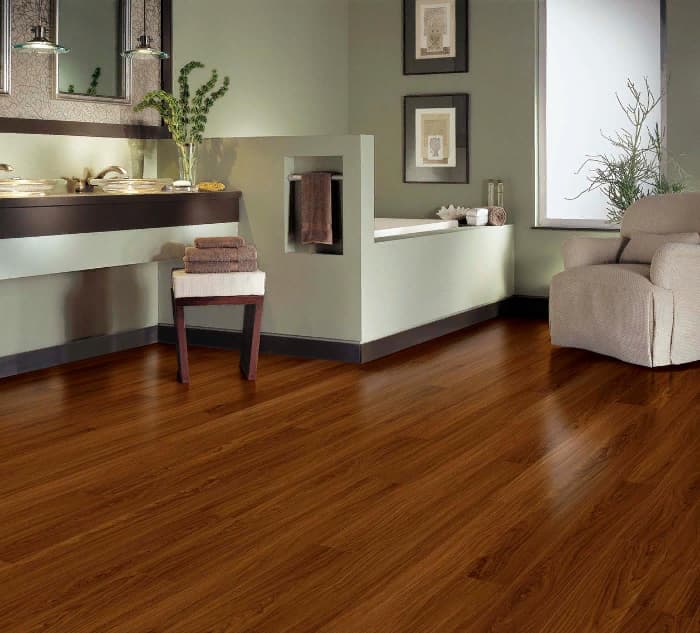
Unlike the thin, floppy vinyl sheets you might remember from the past, LVP is a modern marvel. It comes in sturdy, plank-shaped pieces that are designed to look and feel like real wood, stone, or tile. The secret is in its layers:
- A solid backing layer for strength.
- A photo-realistic design layer that mimics high-end materials.
- Clear protective layers to guard against wear and tear.
Thanks to advances in technology, LVP not only looks like the real thing but can also have a textured surface that feels like wood grain or stone underfoot. It’s affordable, durable, and versatile—perfect for busy homes and businesses alike.
The Pros of Luxury Vinyl Flooring – Why It’s Worth Considering
Let’s talk about what makes LVP flooring so popular. Spoiler alert: there’s a lot to love.
1. Affordable Without Compromising Style
One of the biggest draws of LVP is how budget-friendly it is. It gives you the high-end look of hardwood or stone without the high-end price tag. Most LVP costs between $2 and $5 per square foot, compared to $8 or more for hardwood.
And installation? It’s a breeze, which means you can save money on labor or even try your hand at a DIY project.
2. Durable Enough to Handle Real Life
If you have kids, pets, or just a busy household, you’ll love how tough LVP is. It’s waterproof (hello, spill-prone kitchens and bathrooms!), scratch-resistant, and holds up well in high-traffic areas.
Unlike hardwood, you won’t have to stress about every little scuff or spill.
3. Easy to Install for DIYers
Not handy with tools? No problem. Many LVP products are designed with beginners in mind. You can choose from click-lock planks that snap together, adhesive-backed planks you peel and stick, or glue-down options for a more permanent solution.
No saws or hammers required—just a utility knife and a little patience.
4. Beautiful Designs for Every Taste
LVP comes in an impressive range of colors, patterns, and textures. Want the look of rustic oak? No problem. Prefer sleek marble or modern slate? LVP has you covered.
Thanks to its realistic designs, LVP can fit any style—from cozy farmhouse vibes to minimalist chic.
5. Easy Maintenance and Repair
Life happens, but LVP makes it easy to clean up. A quick sweep or vacuum and an occasional damp mop are usually all you need.
And if a plank does get damaged? No worries. Most installations leave you with spare planks you can swap in for repairs.
The Cons of Luxury Vinyl Flooring – What You Should Know Before You Buy
Of course, no flooring is perfect. Here are a few potential downsides to keep in mind.
1. Inconsistent Quality Across Brands
Not all LVP is created equal. Some lower-quality options can fade, scratch, or wear out faster. When shopping, look for thicker planks with multiple protective layers. Spending a bit more upfront can save you headaches later.
2. Hard to Remove Once Installed
If you use adhesive-backed or glue-down LVP, removing it can be a chore. The adhesive sticks tightly, making it tough to pull up if you change your mind later. If you’re not 100% sure about the design, consider a floating floor option like click-lock planks instead.
3. Might Not Do Well in the Sunlight
Some budget-friendly LVP options lack UV-resistant coatings, which means they can fade in areas exposed to direct sunlight. If you have sunny rooms, invest in UV-protected planks or use rugs to minimize exposure.
| Advantages |
Disadvantages |
|---|---|
| Affordable: Cheaper than hardwood or stone | May look less premium compared to natural materials |
| Easy installation: No need for complex tools | Hard to remove if replacement is needed |
| Realistic texture: Wide range of styles | Quality of imitation can vary |
| Waterproof: Excellent for high-moisture areas | No notable disadvantages in this category |
| Durable: Resists scratches, stains, and dents | May fade in areas exposed to direct sunlight |
| Easy maintenance: Requires simple cleaning | Not suitable for steam cleaning |
LVP vs. Other Flooring Options – How Does It Compare?
LVP vs Hardwood Flooring
Hardwood is classic, but it’s also expensive and not water-friendly. LVP gives you a similar look at a fraction of the cost, and it’s much more forgiving in wet areas like bathrooms or kitchens.
LVP vs Laminate Flooring
Both are affordable and easy to install, but LVP wins when it comes to moisture resistance. Laminate has a wood-based core, which makes it vulnerable to water damage.
LVP vs Tile and Stone
Tile and stone are extremely durable, but they’re also cold and hard underfoot. LVP provides a softer, warmer feel while still mimicking the look of tile or stone.
Is Luxury Vinyl Flooring the Right Choice for You?
Before you buy, ask yourself a few key questions:
- What’s my budget?
- Do I need waterproof or durable flooring?
- What’s the style I’m going for?
LVP is a fantastic choice for homes with kids, pets, or lots of foot traffic. It’s also perfect for areas prone to moisture, like kitchens, bathrooms, and basements.
Final Verdict: Luxury Vinyl Flooring Pros and Cons in a Nutshell
The good: LVP is affordable, stylish, durable, and easy to install and maintain.
The bad: Some options lack UV protection, and adhesive installations can be hard to remove.
Conclusion: Elevate Your Space Without Breaking the Bank
Luxury vinyl plank flooring is an excellent option for most homeowners. It checks all the boxes: affordability, beauty, and practicality. While it’s not perfect, its pros far outweigh its cons, especially for families or budget-conscious shoppers.
So, is LVP the right choice for you? If you’re ready to upgrade your floors and want a beautiful, low-maintenance option, it just might be. And if you need help getting started, don’t hesitate to reach out to a trusted installer or supplier for guidance.